
Quick Answer: What Is the Best Puppy House Training Schedule?
The best puppy house training schedule is a predictable routine that gives the puppy frequent opportunities to eliminate in the correct place, especially after waking, eating, drinking, playing, and sleeping.
A clock-based schedule is useful, but it should not be treated as a guarantee that a puppy can safely wait a specific number of hours. Individual puppies vary, and the schedule should become more flexible only as reliability improves.
When accidents increase, the first adjustment should usually be more frequent opportunities and closer supervision, followed by gradual expansion of freedom once the puppy becomes reliable.
How a Puppy House Training Schedule Works
A house training schedule is a management system. Its purpose is to predict when a puppy is likely to need a bathroom opportunity and make the correct location available before an accident occurs.
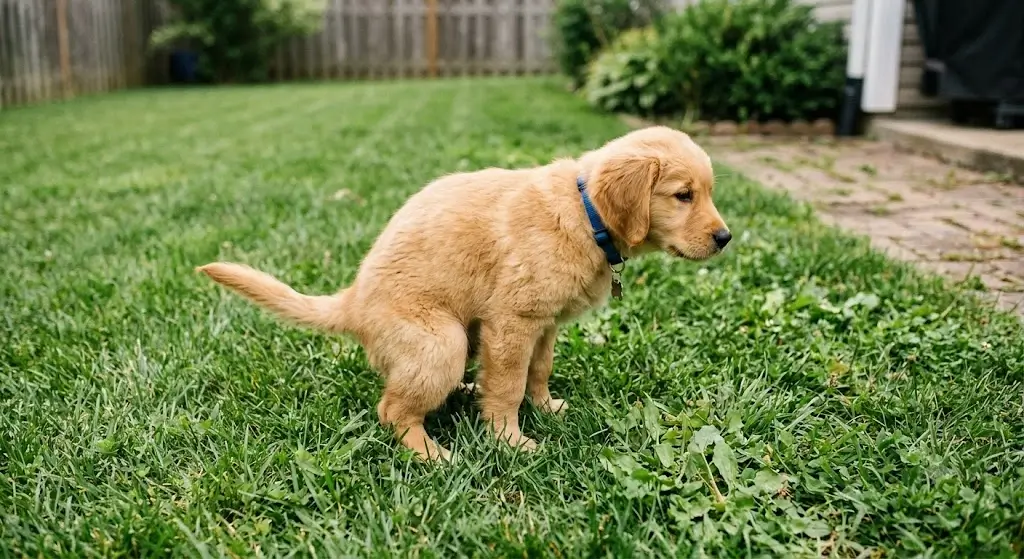
The schedule should combine two types of triggers: time-based opportunities and event-based opportunities.
Time-based opportunities provide structure throughout the day. Event-based opportunities account for predictable changes that can increase the likelihood of elimination.
A puppy that just woke from a nap may need to go even if the previous bathroom trip was relatively recent. Likewise, active play can change the timing compared with a puppy that has been sleeping quietly.
For a comprehensive foundation on the entire training process, read our complete guide on How to House Train a Puppy.
Puppy House Training Schedule by Age
Age is useful for planning, but it should never be the only variable. Puppies develop at different rates, and individual bathroom needs can differ substantially.
The table below is a planning framework rather than a promise that a puppy can safely wait for the maximum interval shown.
| Puppy stage | Training priority | Schedule approach | Owner focus |
|---|---|---|---|
| Very young puppy (8–12 weeks) | Prevent accidents and establish location | Very frequent opportunities plus event-based trips | Close supervision |
| Young puppy (3–6 months) | Build predictable routine | Frequent trips around meals, naps, play, and sleep | Track patterns |
| Developing puppy (6–12 months) | Increase reliability | Gradually extend intervals when successful | Controlled freedom |
| Older, reliable puppy (12+ months) | Generalize behavior | More flexible routine with event-based trips | Maintain consistency |
Sample Puppy House Training Schedule for a Full Day
The following example shows how bathroom opportunities can be integrated into a normal day. The exact clock times should be shifted to match your household rather than followed mechanically.
| Approx. time | Activity | House training action |
|---|---|---|
| 7:00 AM | Wake up | Bathroom trip immediately. |
| 7:20 AM | Breakfast | Plan another bathroom opportunity after eating. |
| 8:00 AM | Play / supervised activity | Watch behavior and provide another opportunity as needed. |
| 9:00 AM | Nap | Bathroom opportunity immediately after waking. |
| 10:30 AM | Training / play | Bathroom opportunity after active exercise. |
| 12:00 PM | Meal | Bathroom opportunity after eating. |
| 1:00 PM | Nap | Bathroom opportunity immediately after waking. |
| 3:00 PM | Play / training | Bathroom opportunity after active play. |
| 5:30 PM | Dinner | Bathroom opportunity after eating. |
| 7:00 PM | Calm activity | Bathroom opportunity based on timing and behavior. |
| 9:00 PM | Wind-down | Final routine bathroom opportunity before bed. |
| Overnight | Sleep | Very young puppies may still require a nighttime trip. |
This example is intentionally not presented as a universal “every puppy must go at exactly these times” plan. The useful structure is the relationship between daily events and bathroom opportunities.
The Event-Based Puppy Potty Rule
Event-based scheduling is one of the most useful ways to improve a puppy routine because it accounts for what the puppy has actually been doing.
| Event | Training response |
|---|---|
| Waking up | Provide a bathroom opportunity promptly. |
| Eating | Plan another bathroom opportunity afterward. |
| Drinking | Monitor timing and provide an opportunity when appropriate. |
| Active play | Provide a bathroom opportunity after the activity. |
| Training session | Watch for post-activity elimination needs. |
| Leaving crate | Go to the bathroom location before extended activity. |
| Before bedtime | Complete the normal nighttime bathroom routine. |
Morning Puppy House Training Schedule
Morning is one of the highest-priority periods because a puppy has been asleep and inactive for several hours.
Make the first bathroom trip the first major event after waking. Avoid allowing the puppy to wander around the house, play, or greet everyone before reaching the designated location.
A simple morning sequence
- Wake puppy.
- Go directly to the bathroom location.
- Wait calmly for elimination.
- Reward successful elimination.
- Return for breakfast.
- Provide another bathroom opportunity after breakfast.
This creates two predictable opportunities around the most important morning events rather than relying on one trip.
How Meals Affect a Puppy House Training Schedule
Meals can make bathroom timing more predictable. Feeding at reasonably consistent times also makes it easier to recognize patterns in the puppy’s daily elimination routine.
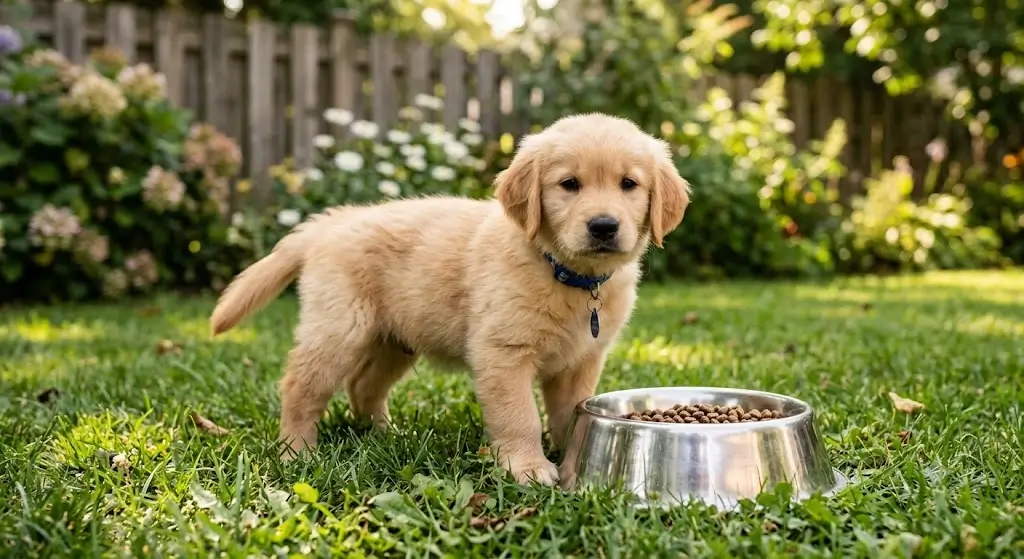
Instead of asking for an exact number of minutes that every puppy should wait after eating, observe the individual puppy’s pattern and build bathroom opportunities around it.
If your puppy consistently has accidents shortly after meals, the solution may be as simple as moving the post-meal bathroom trip earlier or adding an additional opportunity.
How Naps Change the Schedule
A nap resets the timing you should be watching. When the puppy wakes, treat that waking event as a new bathroom opportunity even if the puppy went out before sleeping.
This is particularly important with young puppies because they can move from sleeping to needing the bathroom with little warning.
How Play and Exercise Affect the Schedule
Active play changes the schedule because movement and excitement can produce different bathroom timing than quiet rest.
Do not wait for a scheduled clock time if the puppy has just completed an extended period of active play and appears ready to eliminate.
For the same reason, an intense play session should generally be followed by a bathroom opportunity before the puppy is given additional freedom inside the house.
Puppy House Training Schedule at Night
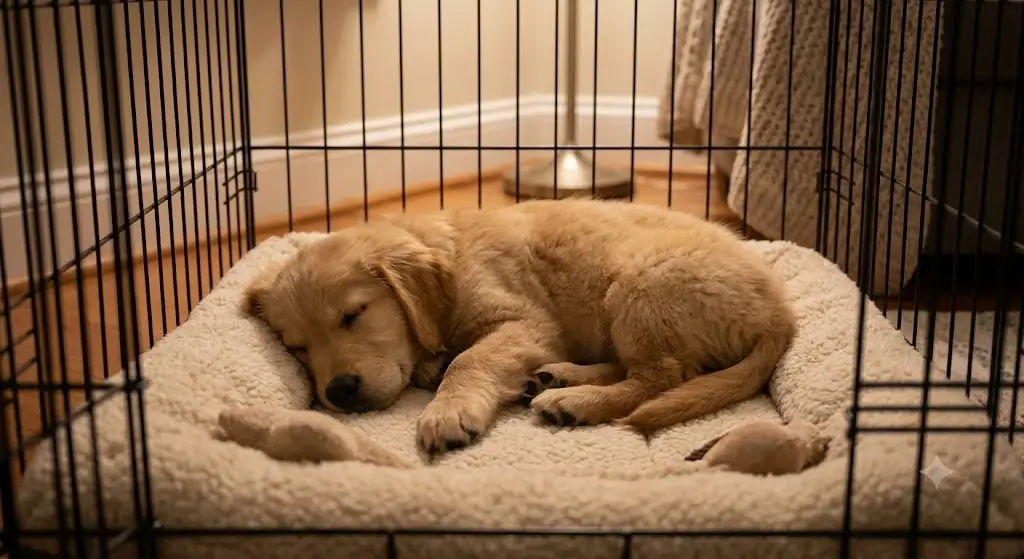
Nighttime house training should be treated separately from the daytime schedule. The puppy is sleeping rather than actively moving through the house, but young puppies may still need bathroom opportunities overnight.
Before bed
Make the final bathroom trip part of the same predictable sequence every night.
If the puppy wakes during the night
Keep the trip quiet and focused. Take the puppy to the designated bathroom location, reward successful elimination, and return to the sleeping area.
Avoid turning nighttime bathroom trips into a social or play period.
As nighttime reliability improves
The need for nighttime trips may decrease as the puppy matures and develops better control. Let the puppy’s progress determine when the routine can be adjusted.
Puppy House Training Schedule for an Apartment
Apartment living introduces additional travel time between the puppy and the outdoor bathroom area. A schedule that works in a house with a backyard may need to be more conservative in a high-rise building.
Build the travel delay into your schedule
If reaching the outdoor location requires an elevator ride, hallway walk, security door, or several flights of stairs, start the bathroom process earlier.
Keep the leash and other essentials near the exit so the process does not become delayed by searching for equipment.
For the full strategy, see House Training a Puppy in an Apartment.
Puppy House Training Schedule for Owners Who Work Full Time
A workday can create a mismatch between the puppy’s bathroom needs and the owner’s availability.
If the puppy cannot realistically receive enough bathroom opportunities during the day, the schedule needs additional human support or a temporary management strategy.
Possible daytime support
- Family member or household member.
- Trusted dog walker.
- Pet sitter.
- Temporary indoor bathroom arrangement.
- Flexible work schedule when available.
The important distinction is between training failure and an unrealistic schedule. A puppy cannot be expected to follow a schedule that does not provide enough opportunities to succeed.
How to Adjust the Schedule After a Puppy Accident
An accident should trigger a schedule review rather than punishment.
Ask these five questions
- When was the puppy’s last bathroom opportunity?
- Had the puppy just eaten or drunk?
- Had the puppy just woken up?
- Was the puppy playing or unusually excited?
- Was the puppy unsupervised?
If you identify a pattern, modify the schedule around that event.
If accidents continue
Increase supervision and temporarily reduce freedom. Once the puppy becomes reliable again, gradually return the freedom that was removed.
When Should You Increase a Puppy’s Freedom?
Freedom should be earned through reliability rather than granted because the puppy has reached a particular age.
Good signs include consistently successful bathroom trips, fewer accidents, predictable behavior after naps and meals, and the ability to remain supervised without repeatedly searching for indoor bathroom locations.
Expand access gradually. If accidents return after increasing freedom, reduce the puppy’s access again and rebuild reliability.
| Training stage | Recommended access |
|---|---|
| Frequent accidents | Close supervision and limited puppy-safe area. |
| Improving | Small controlled areas with supervision. |
| Reliable in one area | Gradually add additional rooms. |
| Highly reliable | Normal household freedom with continued routine. |
Puppy House Training Schedule Mistakes to Avoid
1. Treating the schedule as a rigid timer
The puppy’s behavior and daily events matter more than a perfectly repeating clock interval.
2. Ignoring waking events
A puppy may need to go shortly after waking even if the previous trip occurred relatively recently.
3. Forgetting post-play trips
Active play can change bathroom timing, so it should be included in the routine.
4. Increasing freedom because the puppy seems calm
Calm behavior does not necessarily mean reliable house training.
5. Extending intervals too quickly
If longer intervals produce accidents, return to the previous successful routine and progress more gradually.
6. Expecting the puppy to communicate perfectly
A puppy may eventually learn to signal, but owners should not make communication the only mechanism for preventing accidents.
Frequently Asked Questions
How often should I take my puppy outside during house training?
Young puppies generally need frequent bathroom opportunities, especially after waking, eating, drinking, playing, and sleeping. The correct interval varies by the individual puppy and should be adjusted based on accidents and successful repetitions.
What should a puppy house training schedule look like?
A practical schedule includes bathroom opportunities after waking, meals, naps, active play, and before bedtime, with additional trips based on the puppy’s behavior.
Should a puppy go outside after eating?
Yes, providing a bathroom opportunity after meals is a useful part of many puppy routines because eating can be a predictable trigger for elimination.
Should I wake my puppy to go potty at night?
Very young puppies may need nighttime bathroom opportunities. Whether a puppy needs to be taken out depends on age, individual development, sleeping pattern, and previous nighttime success.
How do I adjust the schedule if my puppy keeps having accidents?
Shorten the interval between bathroom opportunities, increase supervision, review meals and activity timing, and temporarily reduce freedom until reliability improves.
Does the same puppy potty schedule work for every puppy?
No. Puppies differ in development, routine, activity, environment, previous training, and individual bathroom patterns. Use a schedule as a framework and adjust it to the puppy.
How long should I follow a puppy house training schedule?
Continue structured scheduling until the puppy consistently eliminates in the desired location.
